#AI Strategy
3 expert briefs on AI Strategy, from videos, podcasts and documents.
What the sources say
These analyses explore how artificial intelligence will reshape global industries, labor markets, and technology use over the next few years.
All three sources outline a clear shift from basic artificial intelligence tools to autonomous agents managing complex tasks[1][2][3]. The Analyst explains in The Great Transition that corporations will evolve from human hierarchies to networks of algorithms[3]. Similarly, an expert strategist notes that by 2026 technology will move away from simple chatbots toward long running autonomous agents[2]. This aligns with the Ministry of Industry and Information Technology directive for China to deeply integrate artificial intelligence into manufacturing[1].
While the sources agree on the direction of technology they focus on different areas of implementation. The Chinese government blueprint targets manufacturing and hardware sovereignty by 2027[1]. In contrast the 2026 Prompting Model focuses on the specific skills workers need to control autonomous agents through specification engineering[2]. Readers can understand that adapting to these changes requires moving past simple prompts to master new operational systems and skill sets[2][3].
Sources
Written by an AI model from Google, from the analyses on this page.
🇨🇳 BLUEPRINT 2027: China's "Artificial Intelligence + Manufacturing" Implementation Strategy
Analyze MIIT's Blueprint 2027: China's roadmap to integrate AI into manufacturing. Discover targets for industrial agents, large models, and smart factories.

The 2026 Prompting Model: From Chatbots to Autonomous Specification Engineering
Move beyond chatbots with the 2026 Prompting Model. Explore the 4-layer stack from Prompt Craft to Specification Engineering for autonomous AI agents.
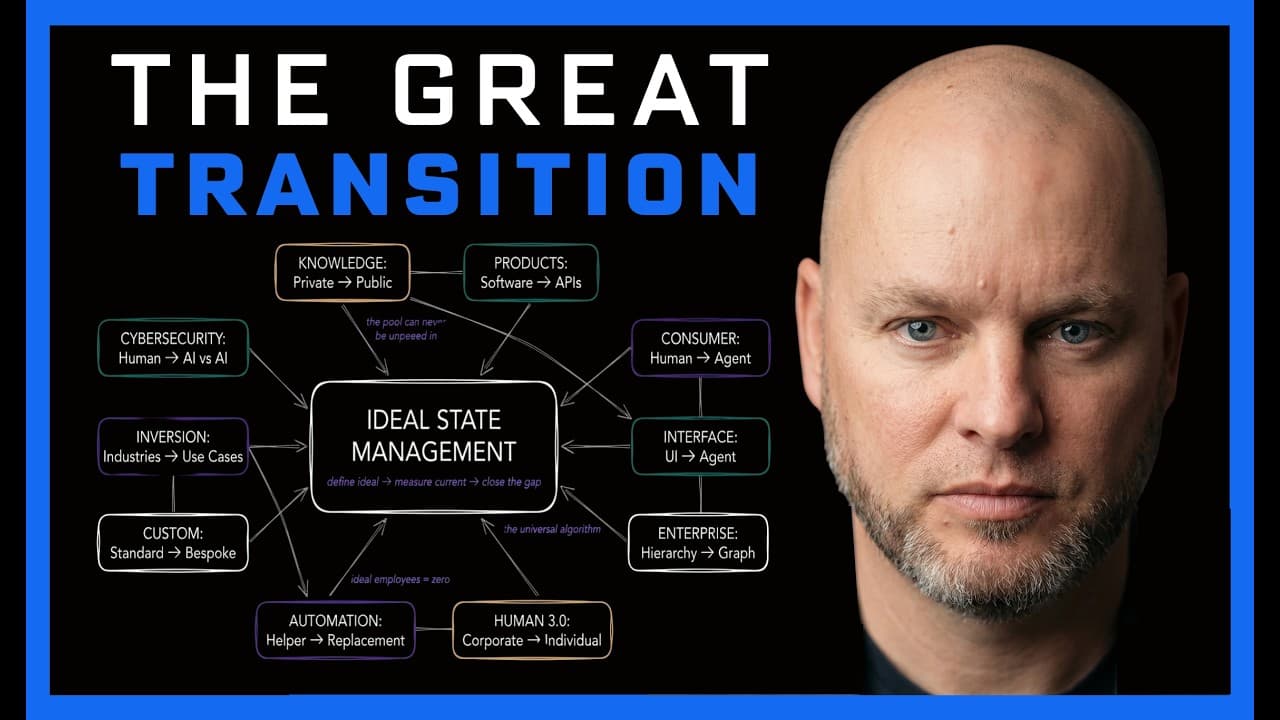
THE GREAT TRANSITION: A GRAND UNIFIED THEORY OF THE AI FUTURE
Discover the 8 vectors of The Great Transition. A grand unified theory explaining how AI reshapes knowledge, labor, and corporate structures for the future.