#Anthropic
3 expert briefs on Anthropic, from videos, podcasts and documents.
What the sources say
These sources discuss the development of Anthropic coding agents that operate autonomously and the significant impact these tools have on software engineering and the broader labor market.
The speakers agree that artificial intelligence is shifting from reactive tools to autonomous agents that perform tasks independently[1][3]. Mia notes that new features in Claude Code allow developers to set up proactive agents that monitor environments[1]. Similarly, Boris Cherny explains that humans will transition from writing code to reviewing and architecting systems[2]. Jack Clark and Ezra Klein add that future artificial intelligence applications will function as doers that can work together[3].
The analyses highlight a rapid transition toward automated software development. Cherny points out that internal coding at Anthropic is nearly entirely generated by artificial intelligence[2]. Clark predicts that almost all code could be written by artificial intelligence by the end of the year[3]. While Mia focuses on the practical workflow of deploying proactive tools[1], Clark discusses broader economic implications, noting the potential disruption to entry level knowledge work and the psychological effects of living with nonhuman intelligences[3].
Sources
Written by an AI model from Google, from the analyses on this page.
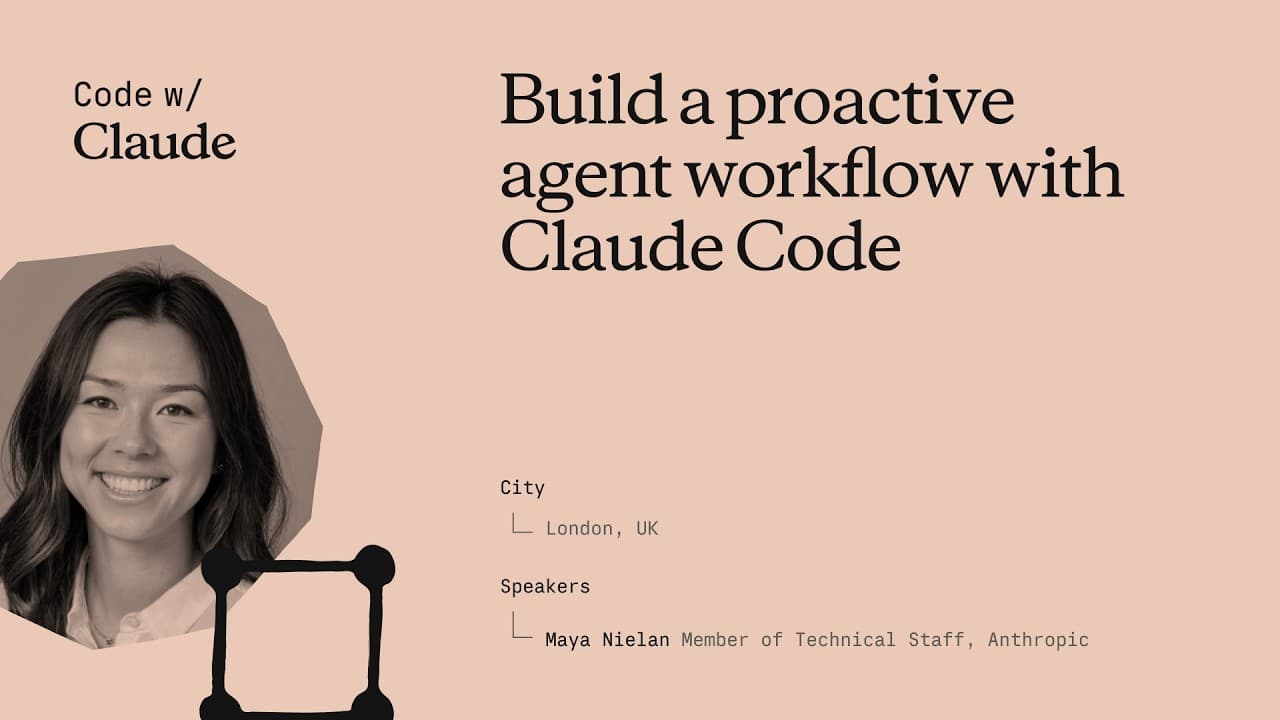
Launching "Routines": Transforming Claude Code from a Reactive Tool to a Proactive Teammate
Anthropic's Claude Code Routines eliminate manual boilerplate, turning Claude into a proactive AI teammate. Start building autonomous coding agents today.
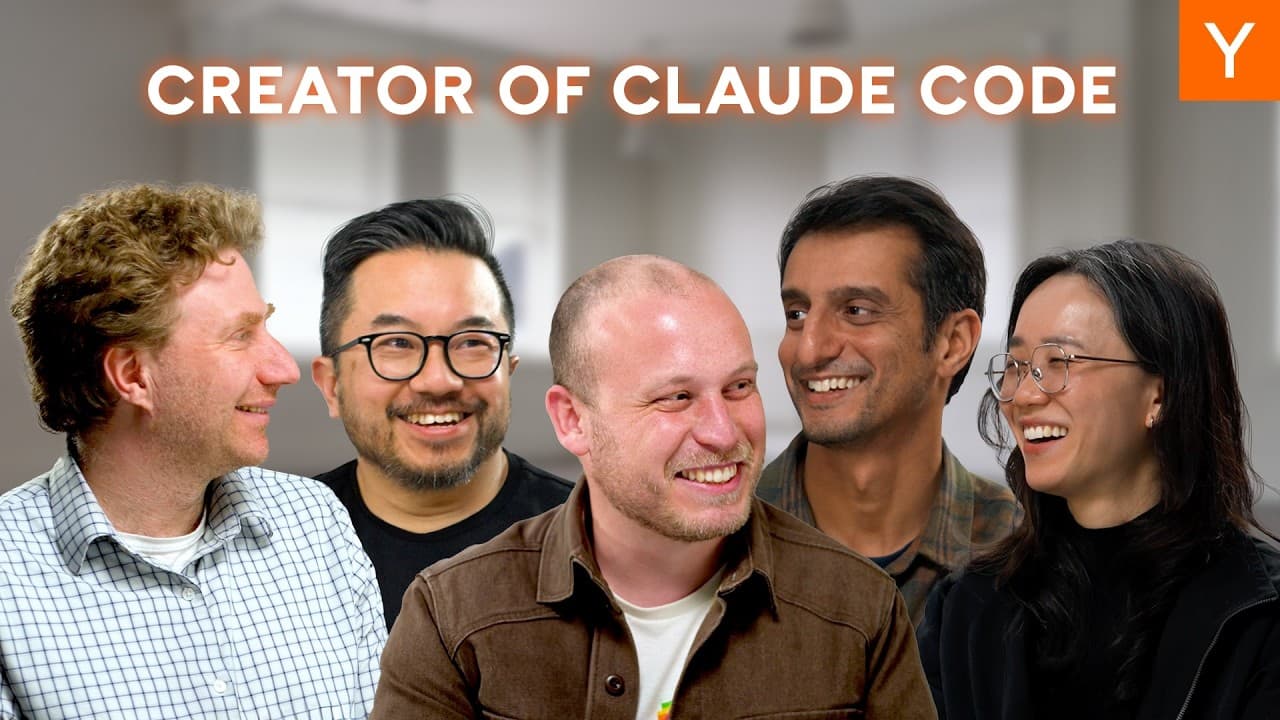
🚀 The Death of the IDE: Boris Cherny on Claude Code & The 1000x Engineer Revolution
Boris Cherny explains the 'death of the IDE' with Claude Code. Discover how agentic workflows are creating the 1000x engineer revolution at Anthropic.
The Age of Agents: Jack Clark on the End of Software, the Rise of AI Employees, and the Crisis of Human Cognition
Jack Clark discusses the age of AI agents and the end of software. Learn how Claude Code disrupts labor markets and creates a "Junior Crisis."