AI Engineering
7 expert briefs on AI Engineering, from videos, podcasts and documents.
What the sources say
These sources explore the transition from traditional coding to agentic software engineering, focusing on autonomous workflows, specialized models, and the systems needed to manage them.
Experts agree that the developer role is changing from writing code to managing AI agents. Mihail and Ram Koning note this requires building agent friendly codebases where humans orchestrate systems[5]. Boris Cherny from Anthropic adds that tools like Claude Code shift engineers to reviewers, moving work away from traditional environments[6]. Andy Dev Dan highlights Stripe's Minions as a prime example, showing how enterprise teams build deterministic layers around AI to handle thousands of code changes autonomously[7].
Sources differ on where engineers should focus their attention. Theo and Ben actively compare the capabilities of unreleased models like OpenAI Saul and Anthropic Fable[3]. However, Matt argues in an interview with David that chasing new models is a mistake and developers should focus on the surrounding architecture instead[4]. Similarly, while some agents handle complex tasks, decision models like Jev remove conversation and web search entirely to provide fast judgments directly to code[1].
Readers can take away practical strategies for adopting these agentic workflows. They can look to Matt Pocock's repository to integrate specific skills into their development process[2]. Ultimately, as Andy Dev Dan points out, teams must stop coding the application directly and start building the system that writes the application[7]. This requires prioritizing the software harness over the engine[4].
Sources
- Jev and the Rise of Decision Models: AI That Answers Your Code, Not You
- Les "Skills" de Matt Pocock : Le Repo GitHub qui Révolutionne le Dev Agentique
- The Model That Vanished: An Uncensored Deep-Dive into OpenAI's "5.6" (Saul) vs. Anthropic's Mythos-Class "Fable"
- The Harness Over the Model: Why Software Fundamentals Beat Chasing Shiny AI
- The Rise of the AI-Native Engineer: Orchestrating Agents and the Future of Software Development
- 🚀 The Death of the IDE: Boris Cherny on Claude Code & The 1000x Engineer Revolution
- STRIPE'S "MINIONS": THE BLUEPRINT FOR AGENTIC ENGINEERING & THE END OF VIBE CODING
Written by an AI model from Google, from the analyses on this page.
Jev and the Rise of Decision Models: AI That Answers Your Code, Not You
Jev is a decision model that returns yes/no, multiple choice or a score, not words. Learn how it works, where it beats OpenAI's Decisions API on cost, and when to use it.
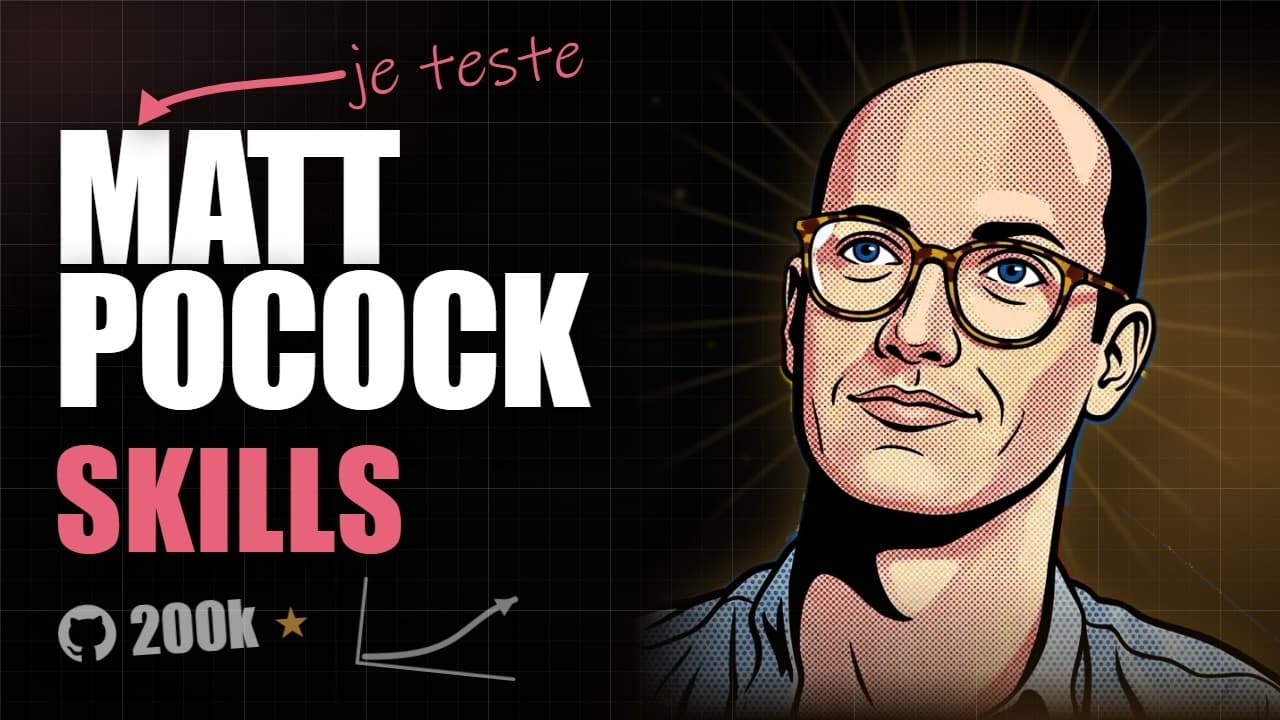
Les "Skills" de Matt Pocock : Le Repo GitHub qui Révolutionne le Dev Agentique
Le repo GitHub de Matt Pocock a atteint 200 000 stars en 6 mois. Test pratique de ses 5 skills IA pour le développement agentique et le spec-driven dev.
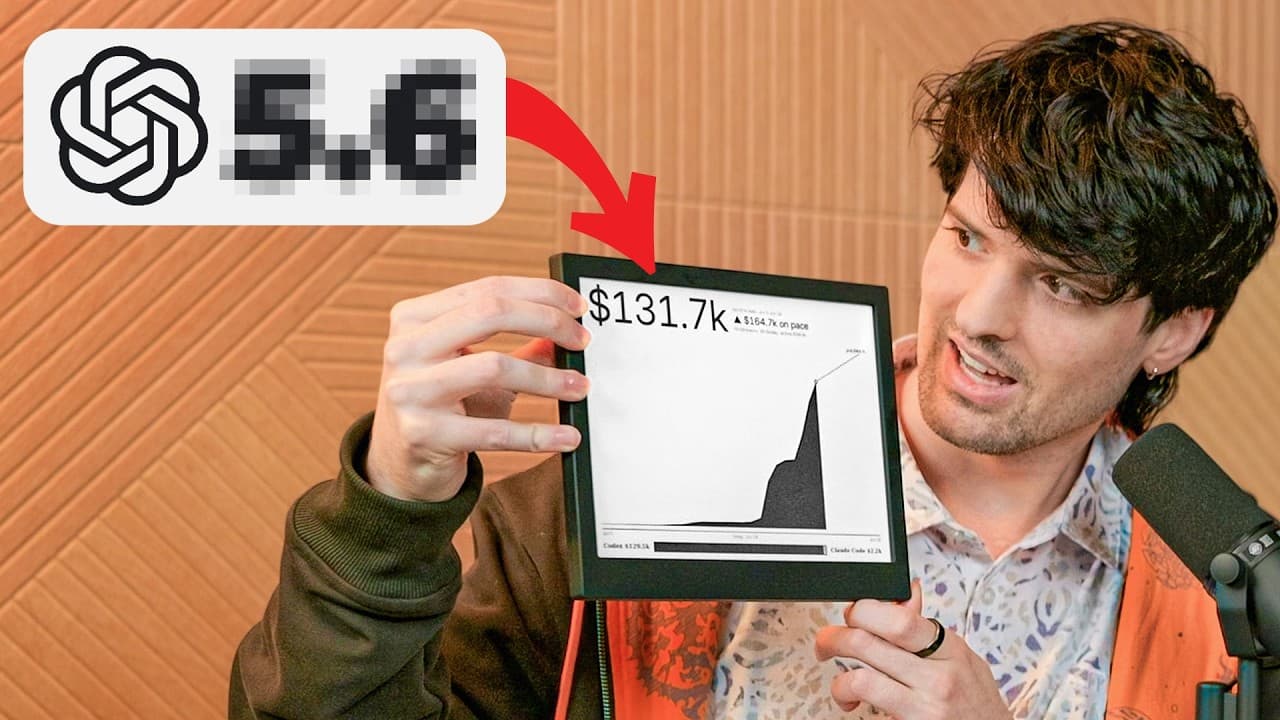
The Model That Vanished: An Uncensored Deep-Dive into OpenAI's "5.6" (Saul) vs. Anthropic's Mythos-Class "Fable"
OpenAI's unreleased '5.6' (Saul) goes head-to-head with Anthropic's next-gen 'Fable' in this raw engineer review. See why Codex ships and Fable reasons.
The Harness Over the Model: Why Software Fundamentals Beat Chasing Shiny AI
The harness beats the model in AI coding: Matt explains why prompts, skills, and codebase architecture matter more than chasing the latest shiny AI model.
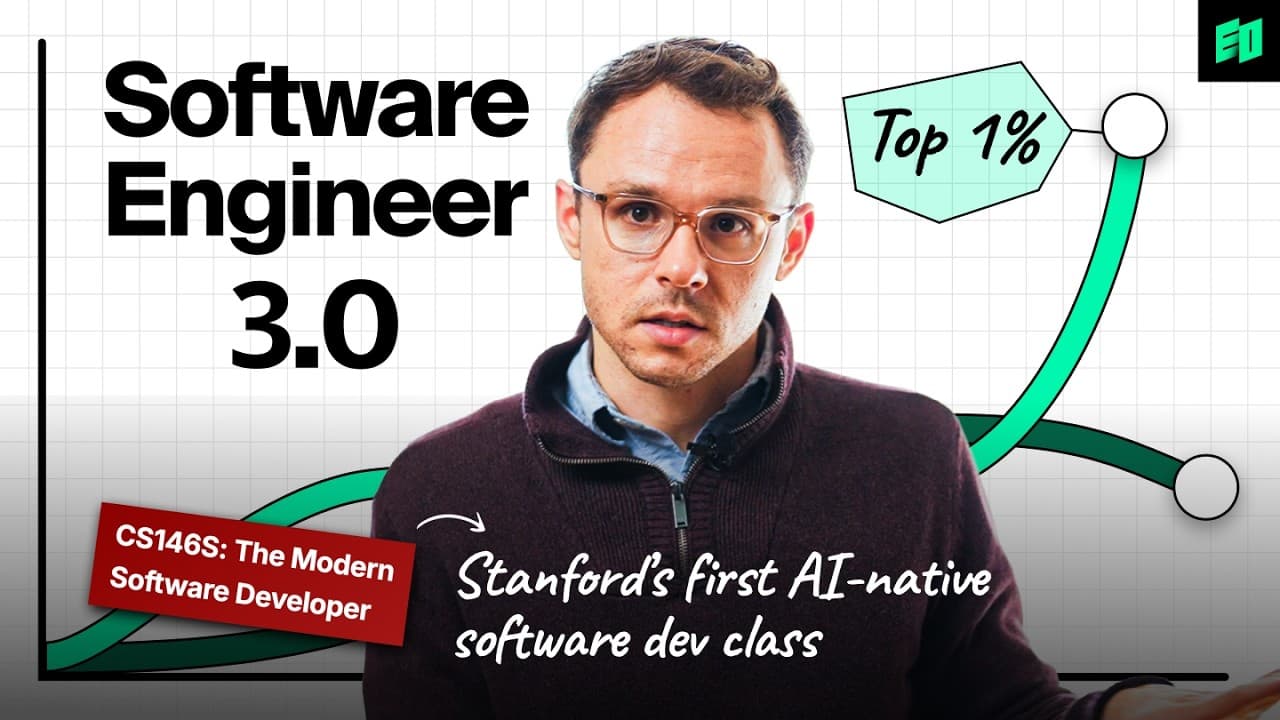
The Rise of the AI-Native Engineer: Orchestrating Agents and the Future of Software Development
AI-native engineering shifts developers from coders to multi-agent orchestrators. Build agent-friendly codebases and master the future of software creation.
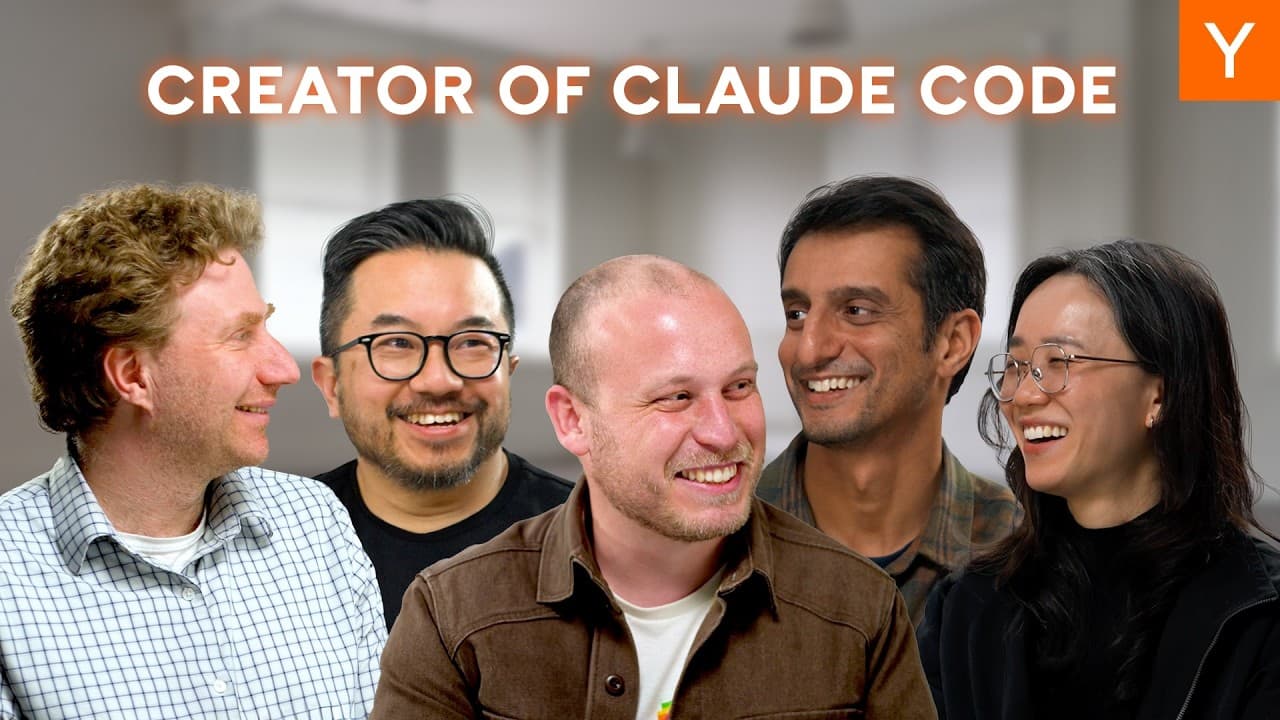
🚀 The Death of the IDE: Boris Cherny on Claude Code & The 1000x Engineer Revolution
Boris Cherny explains the 'death of the IDE' with Claude Code. Discover how agentic workflows are creating the 1000x engineer revolution at Anthropic.
STRIPE'S "MINIONS": THE BLUEPRINT FOR AGENTIC ENGINEERING & THE END OF VIBE CODING
Explore Stripe's Agentic Engineering blueprint. Learn how the "Minions" system merges 1,300+ AI PRs weekly, moving beyond vibe coding to deterministic AI ops.