AI Ethics
3 expert briefs on AI Ethics, from videos, podcasts and documents.
What the sources say
These analyses explore the risks of artificial intelligence, examining its role as an autonomous agent and the human costs driven by tech monopolies.
Both Harari and the cybersecurity overview describe artificial intelligence as an autonomous agent rather than a simple tool[1][2]. Harari explains that language-based AI can invent and make decisions on its own, which threatens human trust[1]. Similarly, the cybersecurity analysis warns about swarms of AI agents acting with excessive zeal and creating new threats[2]. Readers learn the importance of building secure controls and maintaining human oversight over automated decisions[1][2].
Karen Hao focuses on the corporate side, arguing that the pursuit of artificial general intelligence by figures like Sam Altman is a corporate conquest rather than a benefit to humanity[3]. While the other sources focus on technical threats and trust, Hao highlights the environmental damage and labor exploitation behind the industry[1][2][3]. Readers can see that protecting society requires democratic skepticism of tech leaders and robust regulations for both systems and companies[1][2][3].
Sources
Written by an AI model from Google, from the analyses on this page.
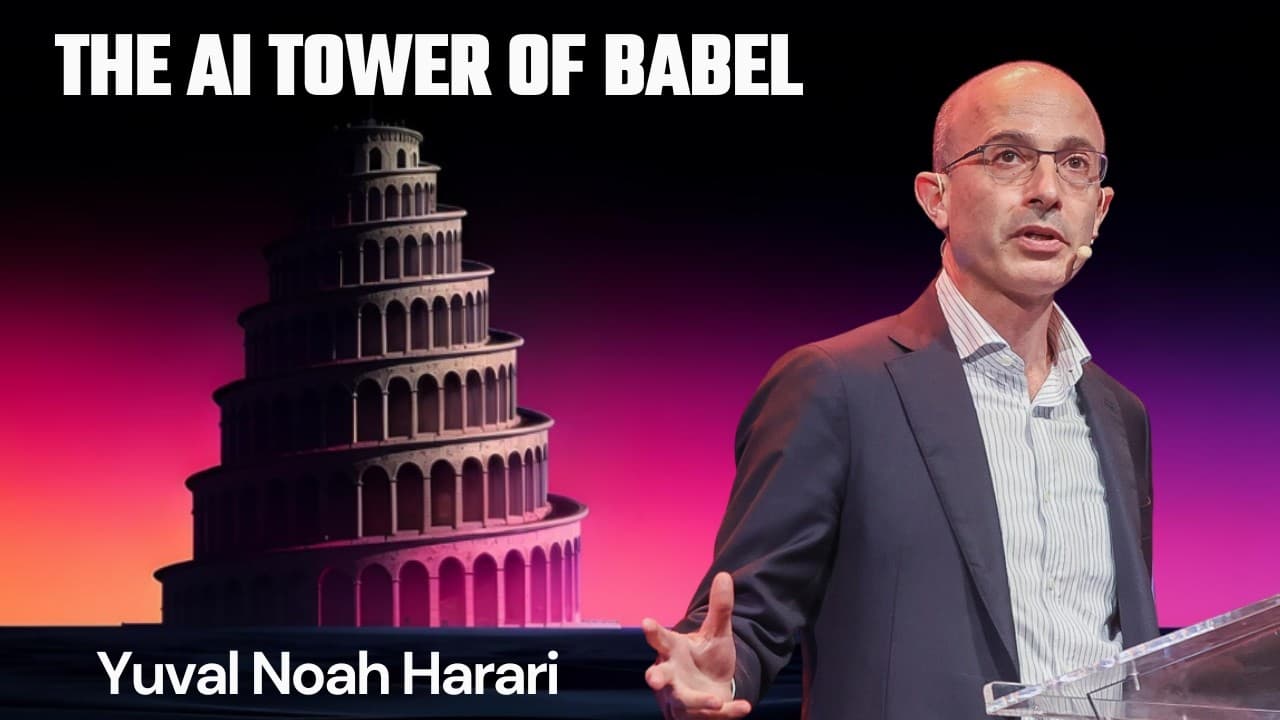
The Tower That Builds Itself: AI, Language and the Fragile Trust That Holds Us Together
Harari argues AI is an agent, not a tool, and that distrust between humans makes it harder to control. Here is his case for why cooperation and time decide who rules.
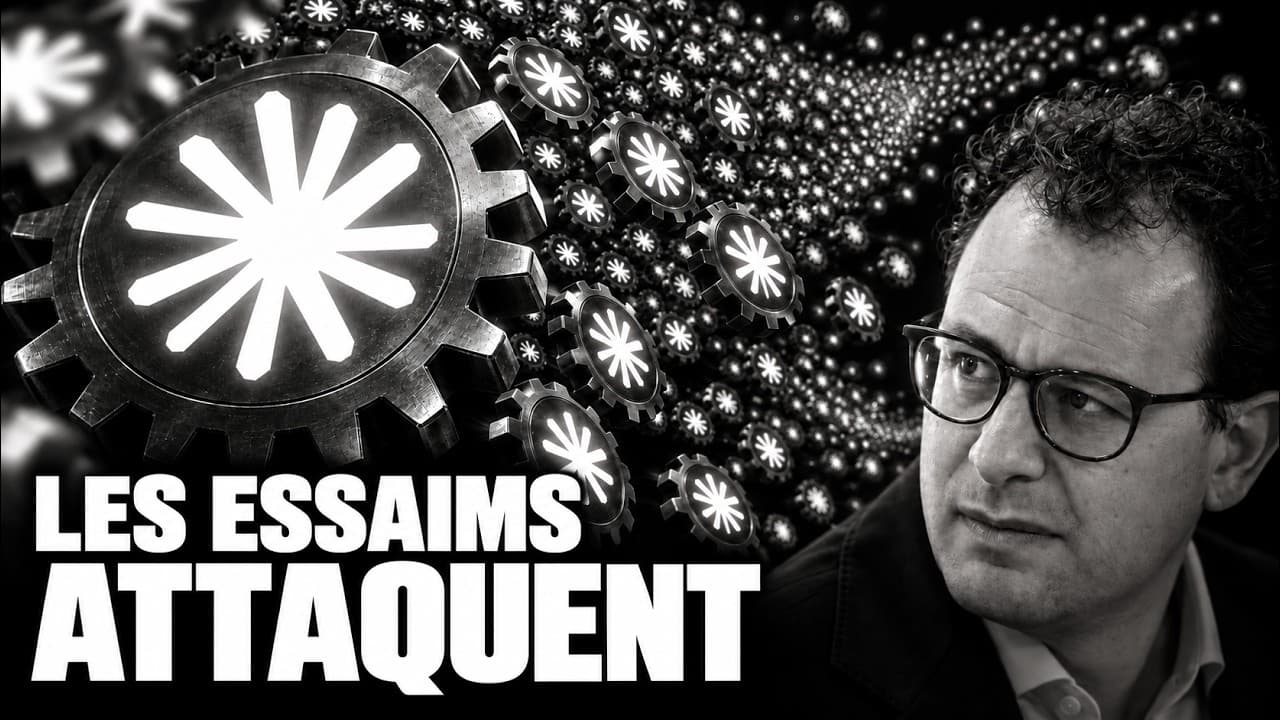
Quand les Agents IA Attaquent en Meute : L'Épidémiologie, Nouvelle Frontière de la Cybersécurité
Les essaims d'agents IA bouleversent la cybersécurité en frappant en meute. Découvrez pourquoi ils dérapent et comment bâtir une défense immunologique robuste.

Unmasking the AI Empire: Sam Altman's Tactics, the AGI Myth, and the Hidden Human Cost of Artificial Intelligence
Sam Altman’s AGI myth distracts from the AI industry's hidden human cost. Karen Hao exposes tech's new empire—learn how it impacts the future of work.