Neuroscience
7 expert briefs on Neuroscience, from videos, podcasts and documents.
What the sources say
These sources explore the neurobiology of attention, emotion, and learning to explain how modern technology disrupts our natural cognitive limits and mental health.
Several experts agree that the human brain cannot multitask. Dr. Sahar Yousef explains that the brain is a monotasking machine and switching attention wastes energy[1]. Catherine Raymond adds that attempting to multitask fragments attention and drains energy[5]. Dr. Richard Cytowic supports this by stating that our ancient brain has hard metabolic limits for attention[6]. Readers can learn that minimizing digital distractions is a biological necessity rather than a matter of willpower[1][6].
The talks highlight different approaches to navigating the digital age. Dr. Alok Kanojia and Andrew Huberman suggest integrating Eastern philosophy to combat the effects of digital media on mental health[4]. Andrew Huberman and Dr. Dacher Keltner focus on seeking awe to reduce social isolation and build human connection[3]. Samah Karaki diverges by using neuroscience to dismantle corporate myths like the self made man and innate talent[2]. Readers can see how understanding neurobiology helps address modern anxiety and isolation[3][4].
Experts warn against relying entirely on external tools for thinking. A paper by Barbara Oakley and others argues against cognitive offloading to artificial intelligence[7]. They state that internal memorization is physically required to build the brain structures needed for critical thinking[7]. This aligns with concerns about technology degrading cognitive capacity, though it focuses on education rather than social media addiction[5][7]. A reader can take away that preserving deep attention and memory is vital for maintaining intelligence[6][7].
Sources
- The Reverse Uno: How to Hack Your Brain Back from Big Tech's Attention Trap
- Déconstruire le Mythe du Succès : Neurosciences, Privilèges et Leadership Réaliste
- The Science of Emotion, Awe, and the Neurobiology of Human Connection
- THE ARCHITECTURE OF UN-LEARNING: BRIDGING NEUROSCIENCE, EASTERN PHILOSOPHY, AND THE MODERN MENTAL HEALTH CRISIS
- NEUROSCIENCE DU SCROLLING : VOTRE CERVEAU EST-IL EN TRAIN DE POURRIR ?
- The Tyranny of Attention: How to Rescue Your Stone Age Brain from the Screen Age
- THE MEMORY PARADOX: WHY BIOLOGICAL MEMORY IS THE ENGINE OF INTELLIGENCE IN THE AI AGE
Written by an AI model from Google, from the analyses on this page.

The Reverse Uno: How to Hack Your Brain Back from Big Tech's Attention Trap
Multitasking is a myth—your brain is a monotasking machine. Dr. Sahar Yousef reveals how Big Tech hijacks your focus and how to reclaim deep, intentional work.

Déconstruire le Mythe du Succès : Neurosciences, Privilèges et Leadership Réaliste
Le mythe du succès est une fiction. Les neurosciences prouvent que les privilèges priment sur le talent inné. Adoptez dès maintenant un leadership réaliste.
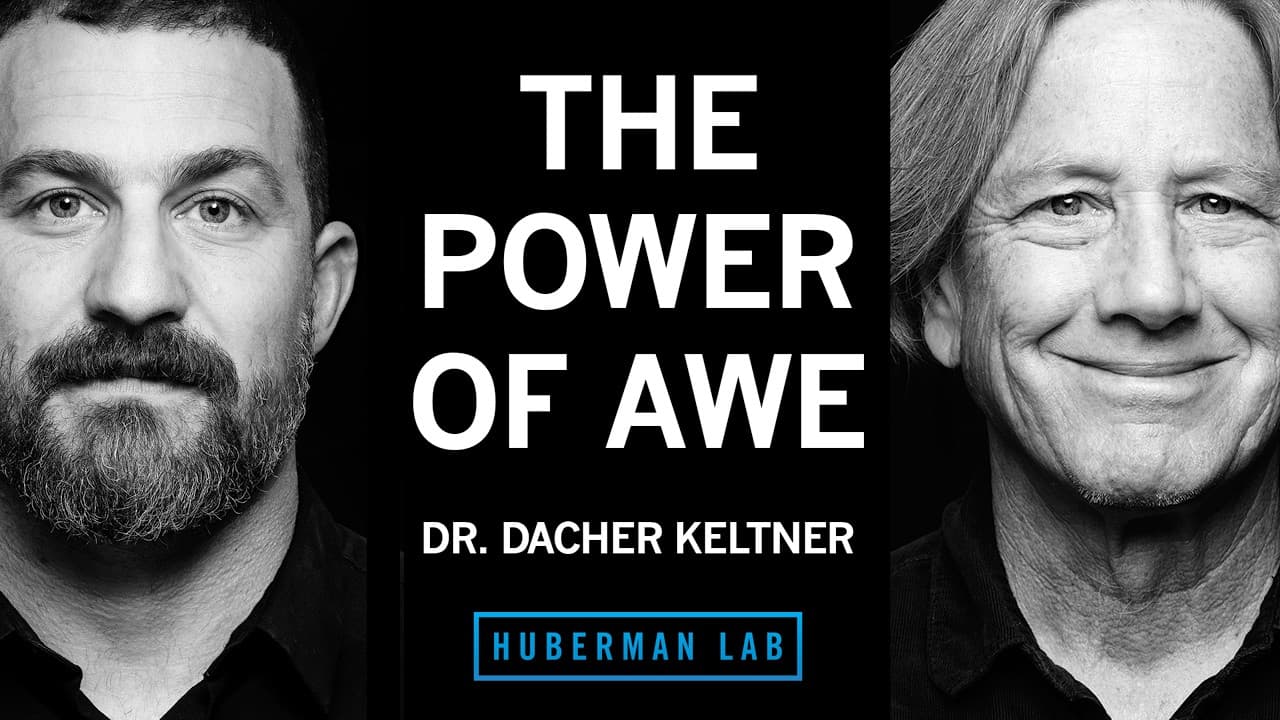
The Science of Emotion, Awe, and the Neurobiology of Human Connection
Dr. Huberman and Dr. Keltner explore the neurobiology of emotion and awe. Learn how biological awe reduces inflammation, quiets the ego, and builds connection.
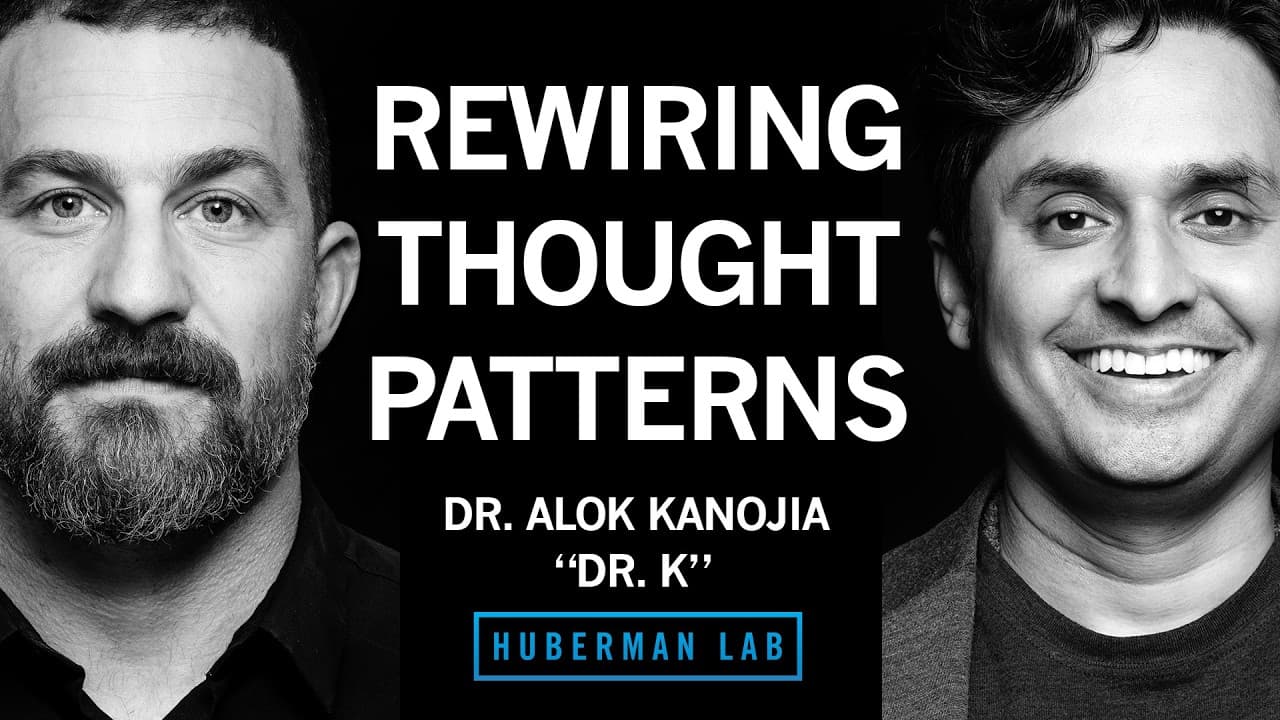
THE ARCHITECTURE OF UN-LEARNING: BRIDGING NEUROSCIENCE, EASTERN PHILOSOPHY, AND THE MODERN MENTAL HEALTH CRISIS
Join Andrew Huberman and Dr. K as they bridge neuroscience and Eastern philosophy to tackle the modern mental health crisis through the art of un-learning.

NEUROSCIENCE DU SCROLLING : VOTRE CERVEAU EST-IL EN TRAIN DE POURRIR ?
Le scrolling pourrit-il votre cerveau ? Découvrez la neuroscience de la dopamine et des stratégies concrètes pour vaincre l'addiction numérique.
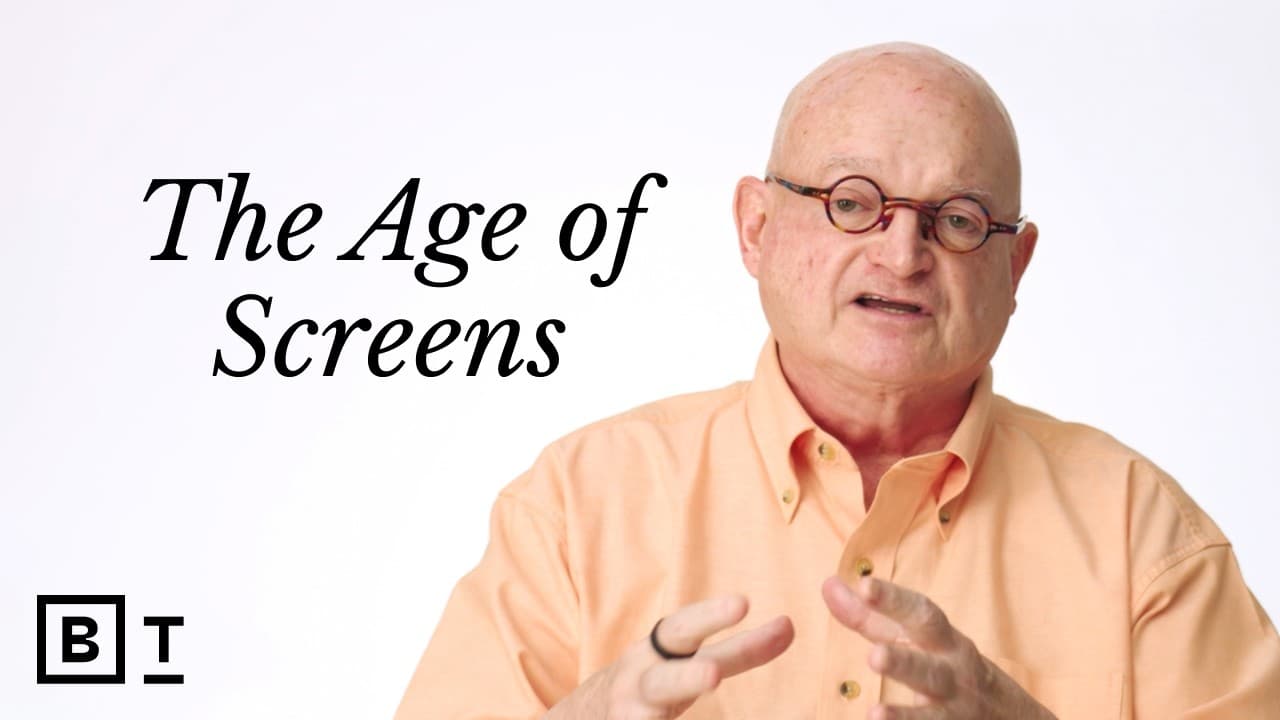
The Tyranny of Attention: How to Rescue Your Stone Age Brain from the Screen Age
Dr. Richard Cytowic explains the "Tyranny of Attention." Discover why your Stone Age brain can't multitask and how to break free from digital addiction.
THE MEMORY PARADOX: WHY BIOLOGICAL MEMORY IS THE ENGINE OF INTELLIGENCE IN THE AI AGE
Uncover the Memory Paradox: why internalizing knowledge creates the neural manifolds needed for critical thinking and expertise in an AI-driven world.